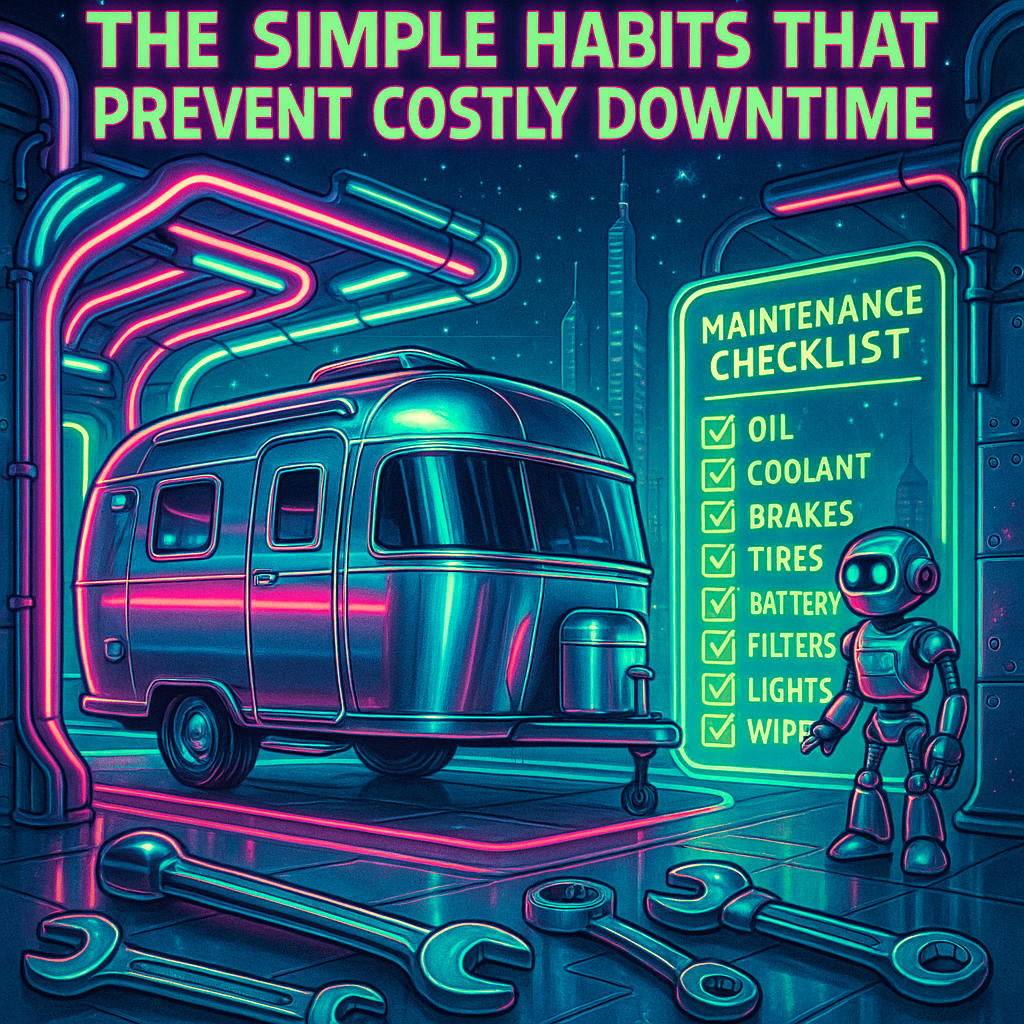
Seasonal Trailer Maintenance Checklist: The Simple Habits That Prevent Costly Downtime
A trailer rarely fails at a convenient time. It usually shows trouble the same week a contractor is booked solid, a dealer lot gets busy, or a small business depends on one more haul to finish the job. That is why a trailer maintenance checklist matters before the season changes, not after something breaks.
The best operators do not treat maintenance like a repair bill waiting to happen. They treat it like part of the work itself. A few hours of attention can protect a week of revenue, a customer relationship, or a safe trip home.
Why seasonal trailer maintenance pays off
Seasonal shifts expose weak points fast. Cold weather stiffens bearings and wiring. Spring moisture reveals rust, leaks, and tired seals. Summer heat pushes tires, hubs, and brakes harder than most owners expect.
When a trailer stays in constant use, small issues hide in plain sight. A slightly loose lug nut, a weak ramp hinge, or a frayed breakaway cable can look minor right up until it stops a load, delays a job, or puts someone on the shoulder with a flashlight.
That is why the smartest owners build a simple inspection rhythm around the calendar. They check the parts that wear, the parts that carry weight, and the parts that keep the trailer legal and safe on the road.
The parts that deserve the first look
Start with tires, wheel bearings, lights, brakes, and safety chains. These are the items most likely to cause an expensive delay if they fail.
Then move to the structure itself. Look for cracked welds, bent frames, loose decking, damaged ramps, and corrosion around fasteners or mounting points. A trailer can still look serviceable while quietly losing strength in the places that matter most.
The costly mistake most owners make
The biggest mistake is waiting for a symptom instead of looking for a pattern. People often replace one failed part and move on, even when the failure points to a larger issue.
A blown tire may mean underinflation, but it may also point to axle alignment, overloaded cargo, or uneven wear from a dragging brake. A bad light may be a simple bulb, or it may signal corrosion deeper in the wiring harness. Fixing the visible problem helps, but the real savings come from asking what caused it.
That same habit matters on the dealer side too. Buyers remember the condition of the trailer, but they also remember whether the handoff prepared them for real-world use. Good trailer dealership best practices focus on reducing surprises after the sale, because the first season often decides whether a customer trusts the setup or starts the relationship with a problem.
A practical seasonal checklist for working trailers
You do not need a complicated system. You need a repeatable one that fits the way the trailer actually works.
Before winter
Cold weather punishes old problems. Check tire age and pressure, test all lighting, inspect battery condition if the trailer uses one, and make sure brakes respond smoothly. Clean road grime from the frame and undercarriage so salt and moisture do less damage.
If the trailer will sit for long stretches, block moisture from becoming a long-term problem. Park on dry ground, reduce standing water around the wheels, and cover exposed electrical connections when appropriate.
Before spring and heavy-use season
Spring often brings the first full load cycle after a slower period. That makes it the right time to inspect hubs, bearings, suspension parts, couplers, ramps, and tie-down points.
Pay close attention to anything that sees frequent movement. Hinges, latch assemblies, ramp springs, and jack stands wear gradually, then fail suddenly when the work picks up again.
Before summer heat and long hauls
Heat builds stress in tires and brakes. Check tread wear, inflation, and sidewall condition, then verify that brakes do not drag. Confirm that the trailer sits level under load, because bad weight distribution becomes more obvious at highway speed and high temperatures.
This is also the time to inspect cargo securement habits. A good trailer can still become unsafe if the load shifts, the straps stretch, or the tie-down points are worn out.
What disciplined operators do differently
The best trailer owners and small fleet operators do not rely on memory. They use a short inspection routine that fits into the day, then they document what they find.
That habit does two things. It catches repeat problems before they grow, and it helps separate one-time wear from a deeper maintenance pattern.
A simple log can track tire replacements, bearing service, brake adjustments, light repairs, and frame issues. Over time, that record shows where money goes and where the trailer needs attention next. It also helps a shop or buyer understand whether a trailer has been cared for or merely used.
How to think like an operator, not just an owner
A working trailer earns its keep through consistency. It should tow straight, load easily, stay visible at night, and survive weather without becoming a weekly project.
That means every check should answer one question: what could stop this trailer from doing its job next week?
If you ask that question often enough, you stop chasing breakdowns and start preventing them. You also make better decisions about repair, replacement, and upgrade timing, which matters whether you run one trailer or a whole yard full of them.
The same logic helps with planning, training, and customer expectations. When people understand how a trailer is supposed to be used, inspected, and maintained, they make fewer expensive mistakes and get more life out of every unit.
A solid seasonal routine does not need to be fancy. It just needs to be honest, repeatable, and tied to the way the trailer actually works in the field. That is what keeps a working rig reliable when the season gets busy and nobody has time for avoidable downtime.
Want this kind of strategy working for your dealership?
Use Trailer Sales Expert to sharpen sales conversations, follow-up, and local content.